Young professionals like myself have a crazy vision of their future, though we are constantly encouraged to settle, and take the position that is comforting and will sustain ourselves. Our aspirations to go and save the world and make a difference are muffled by high dollar salaries and a secure retirement. But, why not? Canonization is not my goal, but I would like to make some level of difference, save a species' population, or make an impact in one small villlage in the world. Ripples can be powerful.
Resiliency is necessary within our environment; responses to change affect our ecosystems and the ecosystem services on which we are dependent. Detecting and measuring environmental change is critical to our conservation.
“Earth provides enough to satisfy every man's needs, but not every man's greed.”
-Mahatma Gandhi
My exposure to the technologies of GIS early on in my college career left me hungry for more. I witness its power ability to measure change, and have since gained a deeply roote enthusiasm for and understanding of GIS and the applications thereof. This combined with my experiences from growing up on a cattle farm has attributed me a unique perspective and attitude towards conservation. Conservation and coexistence mean much more to me than my peers; I have a landscape level perspective with geographic awareness while maintaining a sense of realism, applicability and producer acceptance.
As I continue to face the real world, I am working towards bettering our
environment one opportunity at a time. I have gained a rich appreciation and understanding for the social and cultural pillars of sustainability as a result of traveling abroad. Our heritage is not interconnected with the environment, yet for so many they are one. Motivating, yes; but this awareness has developed into a passion. My ripples should impact beyond species, but people too. ultimately, I hope to counter the crippling change we are succumb to by making positive change.

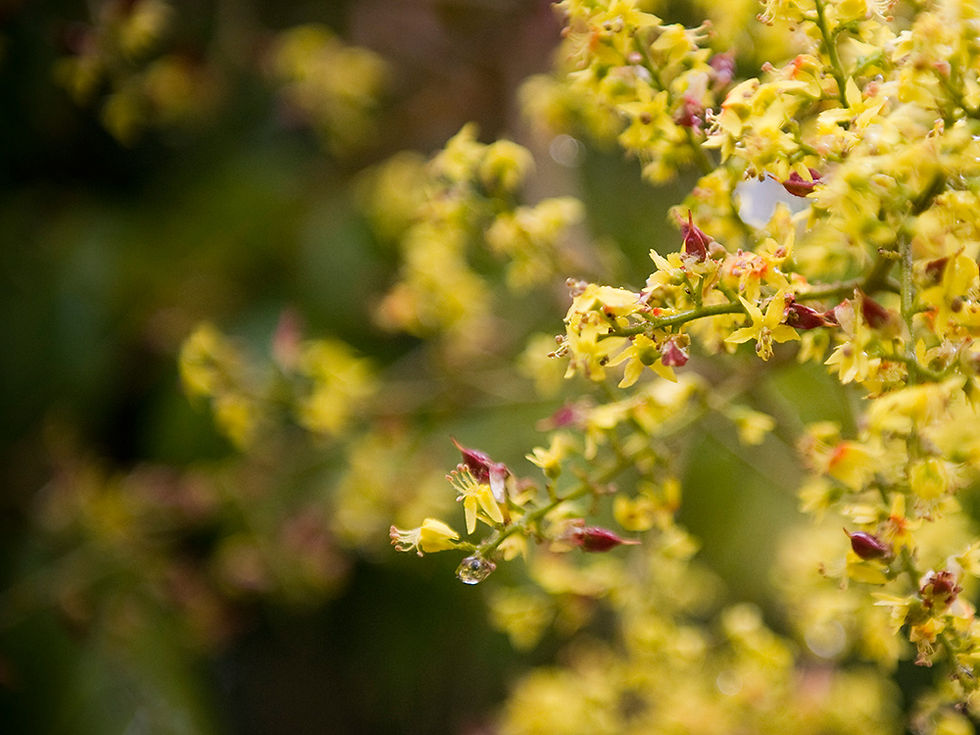
Hiking through the Fynbos (above), a highly diverse ecosystem with 80% endemism found only in the Western Cape of South Africa, it was apparent that the plant community shifted with altitude. While this pattern is common to mountain environments, this ecology is vulnerable to rising temperatures via climate change. There is a fragile balance between the natural and anthropogenic world. Dramatic changes as these prove to me the need to treasure our environment now because it is fading, and do our part in protecting that which remains.
Cape Town, South Africa
Jan 2015